The Use of Smart Home Systems in Interior Design – How a Modern Home Makes Life Easier

In today’s fast-paced world, where comfort, safety, and everyday convenience have become invaluable, smart home technologies are gaining enormous popularity. They are no longer a luxury for a select few, but a modern standard that can genuinely improve the daily lives of household members.

In this article, we’ll explain how smart home systems integrate with interior design, what benefits they bring, and how to plan their implementation effectively right from the design stage.

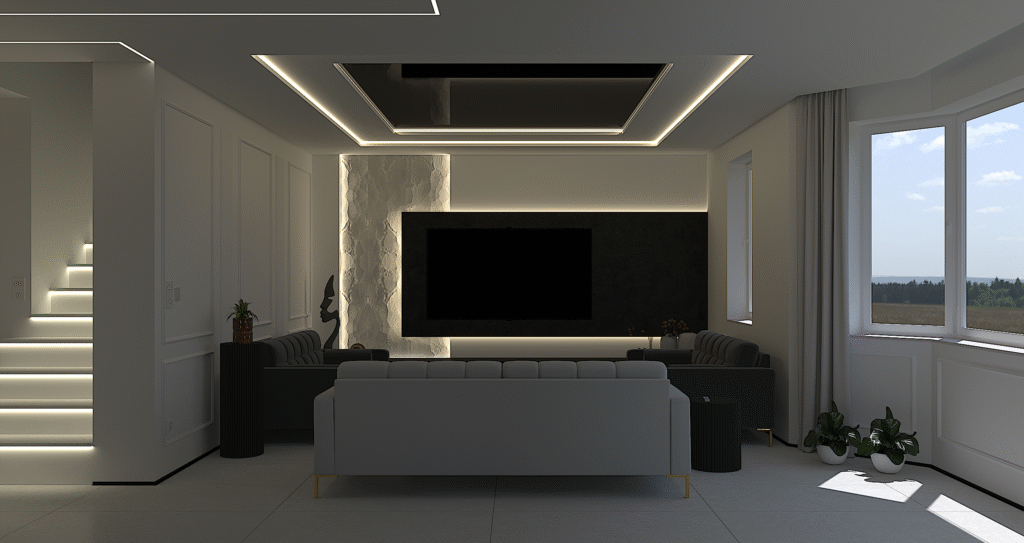
Smart home

1. Smart Home – What Does It Actually Mean?

The term smart home refers to a system that allows you to control devices and installations in your home in an intelligent, automated, and remote way. Typical components include:

  • lighting and lighting scenes,

  • heating, air conditioning, and ventilation,

  • automatic blinds and shutters,

  • security systems and monitoring,

  • household appliances and multimedia equipment,

  • air quality and environmental sensors.

These systems can operate independently or be fully integrated, enabling central control through a smartphone app, tablet, wall-mounted panel, or even voice commands (e.g., Alexa, Google Assistant, Apple HomeKit).

2. Why Is It Worth Introducing Smart Home Solutions Already at the Interior Design Stage?

Planning a smart home after the renovation is complete is much more difficult and costly. When smart home systems are considered from the very beginning, you gain:

  • hidden wiring and sensors that don’t interfere with the interior aesthetics,

  • optimal placement of lighting points, sockets, and devices,

  • functional integration between different rooms,

  • predictable costs and material requirements.

This way, the home works seamlessly from day one, without any visual or functional compromises.

3. Smart Lighting – Lighting Scenes Tailored to Your Lifestyle

Lighting has always served not only a practical purpose in the home but also an aesthetic one. A smart home system allows for complete personalization of lighting.

What does intelligent lighting offer?

  • the ability to set various lighting scenes depending on the occasion (work, relaxation, dinner, movie),

  • automatic switching on and off based on the presence of household members,

  • control over color and intensity in accordance with the circadian rhythm, supporting the body’s natural day–night cycle,

  • energy savings thanks to intelligent motion sensors.

💡 Practical example:
In the living room, you set a “relax” scene—soft, warm, dimmed light, with gentle music playing in the background. Everything turns on with one click or automatically at a scheduled time.

4. Heating and Air Conditioning – Comfort Without Lifting a Finger

A smart home allows you to control the temperature throughout the entire house, even remotely. Thermostats learn the habits of household members and automatically adjust heating or cooling in each room.

Benefits for residents:

  • lower bills thanks to automation,

  • consistent thermal comfort in every room without manual adjustment,

  • the ability to set an “eco” mode during absences,

  • remote control via an app—even when you’re on vacation.

💡 Example: When you leave for work, the system automatically lowers the temperature in the bedrooms and living room, and restores it to a comfortable level before you return.

5. Blinds, Shades, and Windows – Full Automation for Privacy and Light Control

A smart home is not just about lighting and heating. Automated blinds and shades provide:

  • protection against excessive heat during summer,

  • effortless privacy,

  • simulation of presence in the home during vacations,

  • easy operation for hard-to-reach windows.

💡 Interior design tip: When planning your space, consider the dimensions of the blinds and the routing of wires so that the mechanisms remain discreet and do not compromise the aesthetics.

6. The Smart Home as a Security Hub

Smart home systems significantly enhance home security by providing:

  • smart locks with access via code or smartphone,

  • cameras and motion sensors that send notifications to your phone,

  • integration of the alarm system with lighting (e.g., lights turning on when an intruder is detected),

  • monitoring of windows and doors.

💡 Example for clients: During a weekend getaway, the system sends alerts for any movement in the house, while the living room lights automatically turn on to simulate presence.

7. Smart Appliances and Multimedia – Convenience in the Kitchen and Living Room

A smart home in the kitchen and living room offers real time savings:

  • ovens, refrigerators, and dishwashers controllable via smartphone,

  • integration of music and home theater systems in a multiroom setup,

  • the ability to monitor and control appliances remotely.

💡 Practical example: You can turn on the oven on your way home, check the contents of your fridge from your phone, and set the perfect atmosphere for dinner before you even step through the door.

8. Health and Comfort – Air, Humidity, and Noise Sensors

A smart home supports the health of residents by providing:

  • automatic air humidification and purification,

  • alerts about poor air quality, smog, or high CO₂ levels,

  • integration with audio systems for relaxation and mood enhancement.

💡 Tip: When planning your interior, it’s important to position sensors in representative locations to ensure accurate readings and proper system responses.

9. Eco-Friendly and Energy-Saving Solutions in Smart Homes

Modern technologies not only make life easier but also help save energy:

  • controlling lighting and heating based on occupancy,

  • monitoring energy, water, and gas consumption,

  • integration with solar panels or energy storage systems,

  • eco modes for household appliances.

💡 Benefit for the client: lower bills and a reduced carbon footprint, without sacrificing comfort.

10. How to Plan a Smart Home from an Interior Design Perspective

To ensure a smart home looks great and functions flawlessly, it’s important to incorporate it into the interior design from the start:

  • Collaboration with the interior designer and electrician – coordinating the concealment of wiring, lighting points, and sensors.

  • Choosing compatible devices – to avoid integration problems in the future.

  • Placement of control panels and outlets – ensuring they are practical yet discreet.

  • User-centered design – defining daily routines and household members’ preferences.

  • Educating the residents – teaching how to use the system to maximize its potential.

11. Examples of Benefits for Residents

    • Morning routine: lights in the bedroom and bathroom turn on automatically, favorite music plays in the background, blinds are raised, and the temperature is perfectly adjusted.

    • Weekend getaway: presence simulation, remote monitoring, and energy-saving mode activated.

    • Returning home: heating and air conditioning set to a comfortable level, lights and music turned on, and the kitchen ready for preparing dinner.

12. Summary – Smart Home as an Element of Modern Interior Design

  • Smart home systems are no longer just trendy gadgets. They have become tools that enhance the quality of life at home. With them, we can:

    • save time and money,

    • increase comfort, health, and safety,

    • aesthetically integrate technology with the interior,

    • design homes perfectly tailored to the residents’ lifestyle.

    It’s worth planning a smart home from the very beginning of the design process so that all elements work together visually and functionally. This way, your modern home will be not only beautiful but also practical and comfortable every day.

If you are planning a renovation, finishing touches, or the design of your dream home, it’s worth considering smart home solutions already at the interior design stage. Contact us – we’ll help you plan smart home systems that are perfectly tailored to your lifestyle and your home’s interior.

ONE LINE DESIGN

Call Now Button