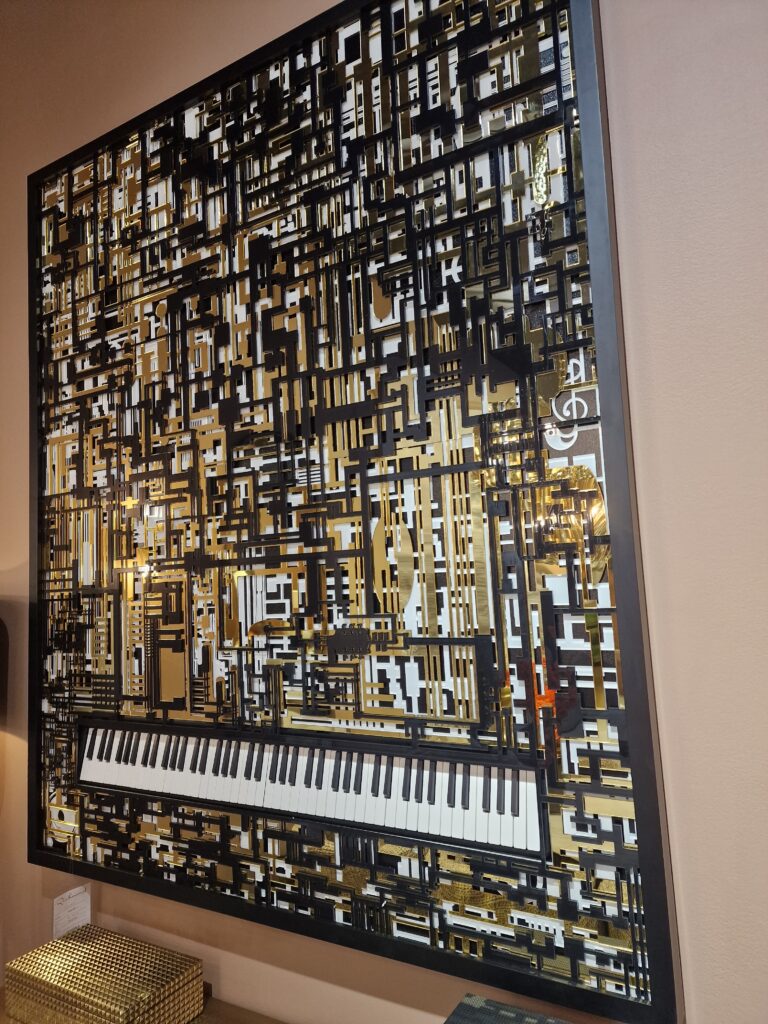
Details in interior design – small elements that create a big impact
Why details matter
In interior design, it’s often said that “the devil is in the details.” It’s the details that give a space its character, define how it’s perceived, and influence the emotions of its users. A beautiful layout, high-quality materials, or even the most expensive furniture won’t create a cohesive interior if it lacks thoughtful details – handles, moldings, textures, lighting, or decorative accents.
1. Details as the designer’s language
Every interior design project has its own narrative – style, rhythm, and mood. Details act like punctuation in that story – they set the pace, add emphasis, and guide the direction. They reveal whether a space is minimalist, classic, industrial, or artistic.
Examples:
In a minimalist interior – hidden handles, flush skirting boards, smooth surfaces.
In an industrial style – raw metals, black accents, exposed fittings.
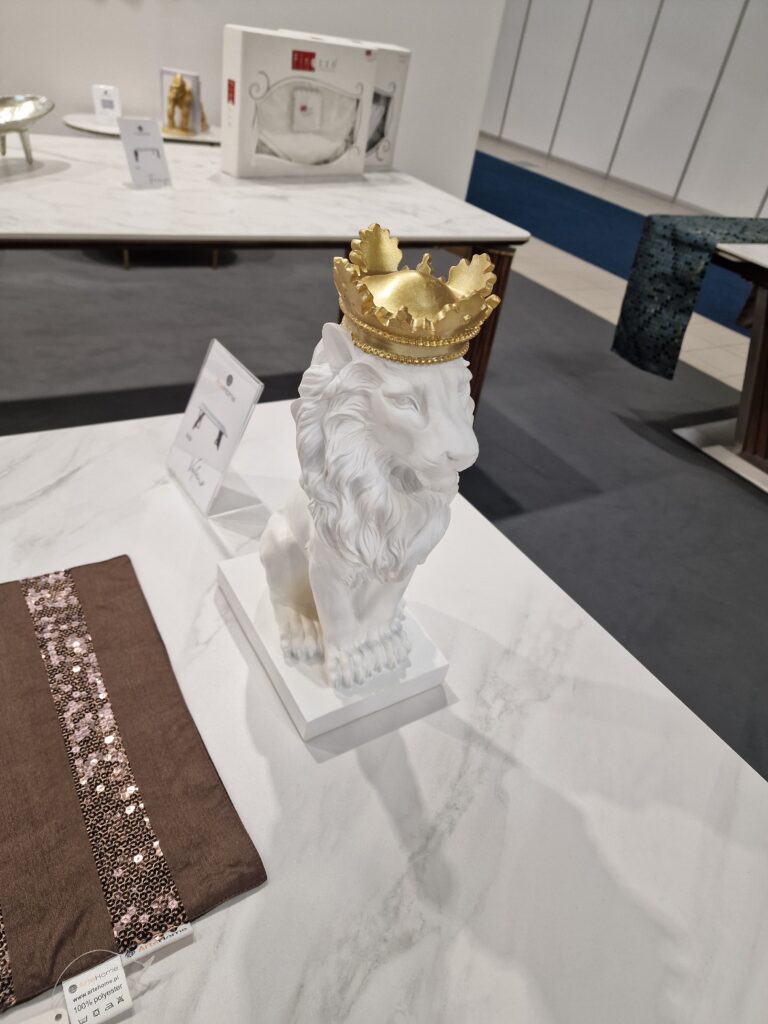
In a classic design – profiled moldings, decorative knobs, gilded frames.
In japandi aesthetics – matte finishes, natural wood, soft contrasts.
It’s these details that shape the atmosphere and convey a sense of refinement.
2. Consistency – the key to elegance
The biggest mistake in interior design is randomness. If a space features five different types of fittings, two metal finishes, and three lighting styles, the sense of harmony is lost. That’s why it’s essential to define the language of details early in the design process – whether it’s matte black finishes, brushed brass, stainless steel, or a consistent palette of wood and stone tones.
Consistency in details translates into a feeling of luxury and professionalism – regardless of the budget.
3. A functional detail = an aesthetic detail
A good detail combines both form and function. It’s not just about decoration – it’s about the way a user experiences the space: how they open a door, touch a countertop, or turn on the light.
In interior design, what matters most are:
Ergonomics – for example, the height of handles or the way drawers open.
Touch and texture – the warmth of wood, the coolness of stone, the softness of fabrics.
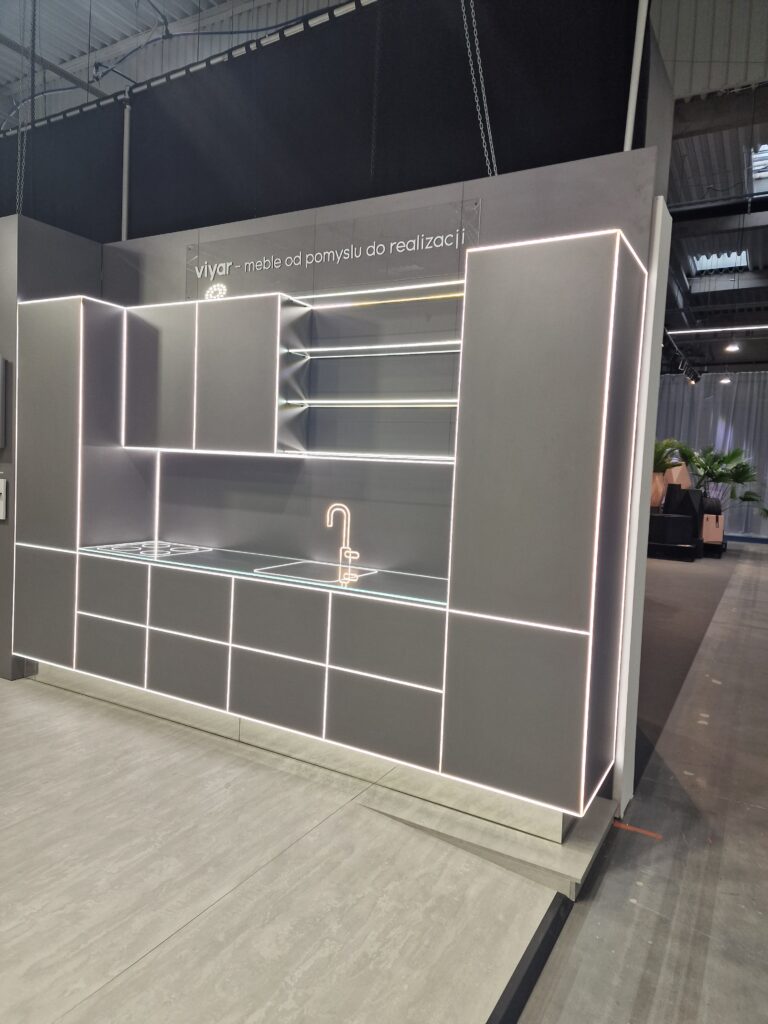
Light – subtle LED strips or lighting that highlights material textures.
All of these are sensory details that shape the user’s emotions and overall comfort.
4. Lighting - the most important detail not visible at first glance
Nothing enhances the beauty of materials like well-designed lighting. Light is the kind of detail that can completely transform the perception of a space.
When designing, it’s important to consider:
Different levels of lighting – general, accent, and ambient.
The color temperature suited to materials (warmer tones for wood, neutral for whites, cooler for concrete).
Hidden light sources – LED strips, recessed lighting, directional lamps.
Well-planned lighting highlights the details instead of overpowering them.
5. Materials and textures – the sensory finishing touch of a space
Details are not just about shape, but also texture and light. Combining matte and glossy surfaces, smooth and rough textures, creates depth and visual tension.
For example: In a modern living room, the contrast of brushed metal with soft velvet or raw concrete with warm oak veneer works beautifully. It’s these subtle nuances that prevent a space from feeling “flat” and give it character.
6. Personalization – a detail that tells a story
Every interior should have its own unique accent — a detail that gives it identity. This could be:
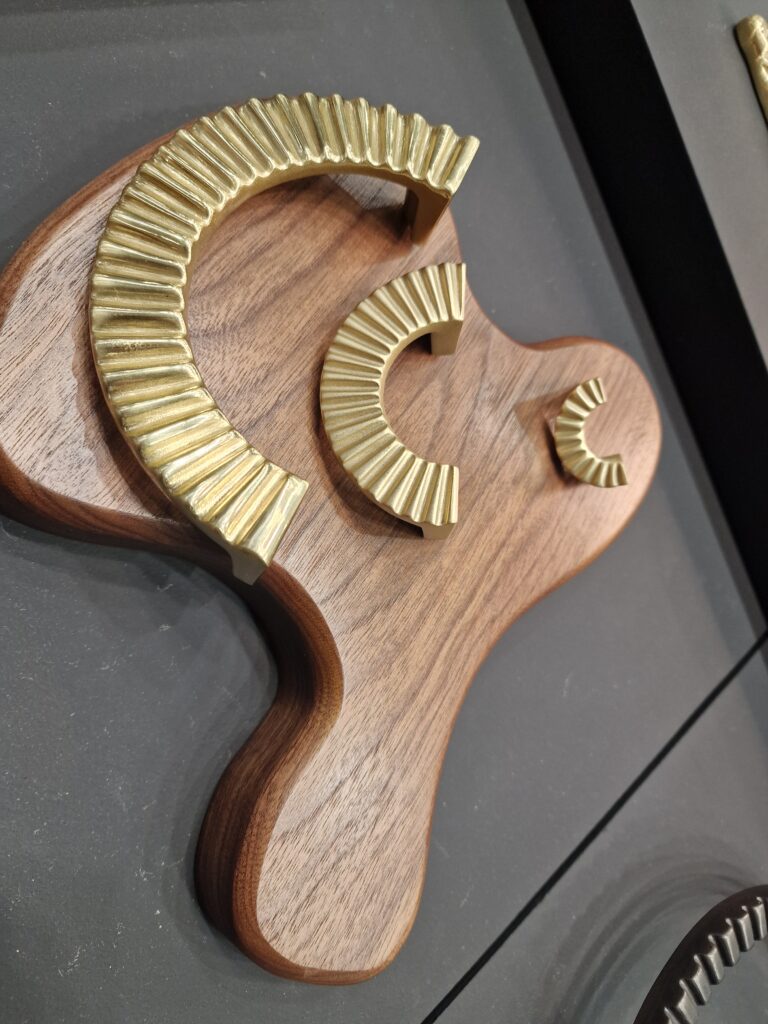
a custom handle made by a local craftsman,
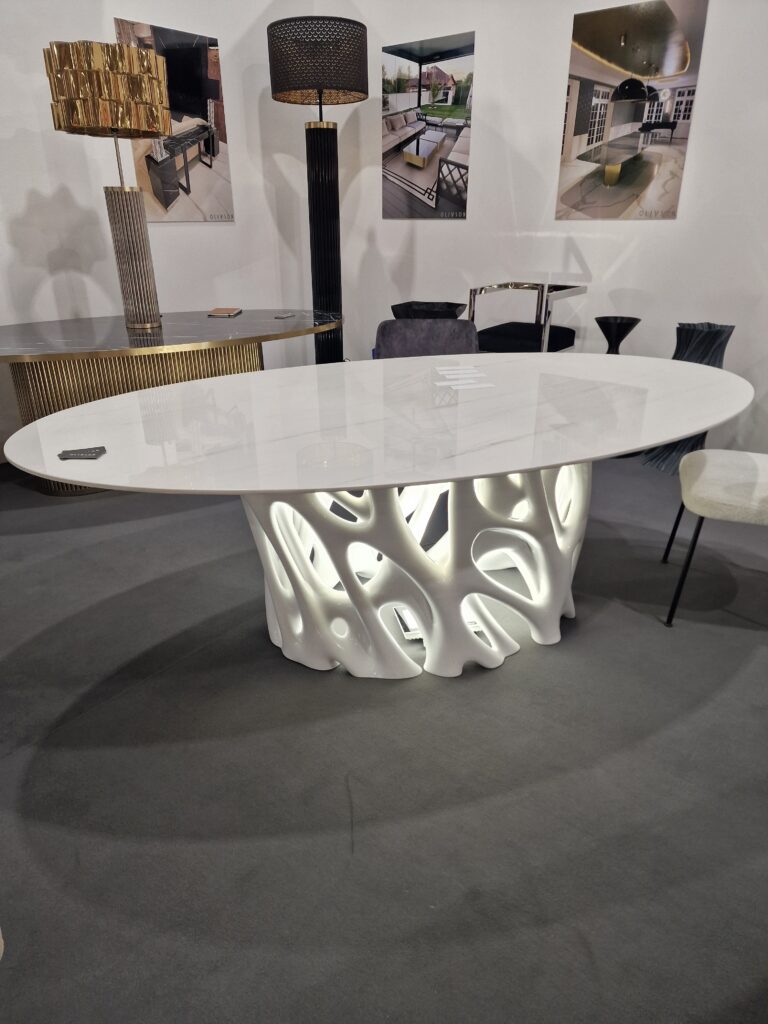
a bespoke lighting fixture,
handmade ceramics,
an antique element incorporated into a modern space.
It’s these individual details that make an interior truly one-of-a-kind.